English Across China and Southeast Asia: Where It Actually Opens Doors
Where English makes a real difference in the region — and why pronunciation, not vocabulary, is what's holding most learners back.
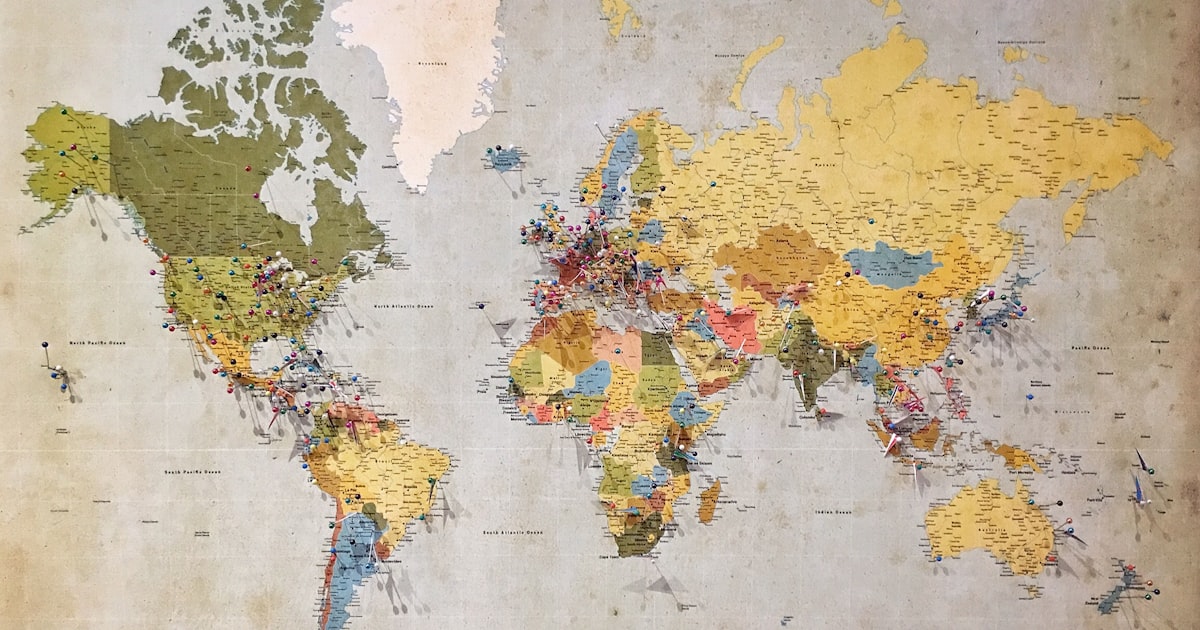
Across China and Southeast Asia, many English learners put in years of study and still feel frustrated when it’s time to speak. This is a straight look at where English actually pays off in the region, and what usually gets in the way.
Where English opens doors
Tourism and hospitality. Thailand welcomed tens of millions of visitors in recent years; Vietnam and Indonesia aren’t far behind. Having decent English at the front desk is often the difference between an entry-level job and a career.
Outsourcing and remote work. The Philippines built one of the world’s largest call center industries on English. Vietnam and Indonesia are now competing for the same remote roles — developers, designers, support, sales — where spoken English can be the difference between applying only to local listings and making it through an interview with an overseas team.
Trade. Cross-border e-commerce between China and Southeast Asia runs on calls, negotiation, and trust. Written English gets you the first contract. Spoken English gets you the next one.
Education. More and more universities in the region teach in English, and exchange programs care more about speaking ability than test scores.
The strange thing about this region
Here’s what’s odd: the region is full of people who are great at reading English but hesitant to speak it. Years of school English produce people who can read a contract but freeze up on a video call.
Why? Because classroom English focuses on what’s easy to test — grammar rules and word lists — and ignores what’s hard to test: actually producing sounds under pressure.
Pronunciation is the real bottleneck
Ask employers in the region what goes wrong in interviews. It’s rarely grammar. It’s that the candidate is hard to understand — or they understand too slowly to keep the conversation going.
The good news is this is fixable faster than most people think. Pronunciation responds well to feedback loops: say a word, hear how close you got, adjust. The problem has always been getting that feedback. A teacher costs money. A native speaker friend is doing you a favor. And most practice apps historically couldn’t hear you at all.
Speech assessment changed that. Per-word scoring — which words you said clearly, which ones a listener would miss — turns pronunciation from a vague talent into something you can practice and measure from session to session.
If you’re learning in Jakarta, Bangkok, or Chengdu
- Your reading is probably already good enough. Stop polishing it.
- Your speaking is probably behind. Start measuring it.
- Fifteen focused minutes of speaking out loud beats two hours of silent studying.
If that’s your situation, spend 15 minutes a day reading short passages out loud and checking which words people would miss.